
Transitioning Home After a Hospital Stay: Ottawa’s Hospital Discharge and Aftercare Services
Going home after a hospital stay is a major milestone but can come with a mix of relief and what now anxiety. The transition from

Going home after a hospital stay is a major milestone but can come with a mix of relief and what now anxiety. The transition from
Remembering to take medications on time can be one of the biggest challenges for seniors and their families. Missed doses or double doses not only

As we age, cooking meals isn’t always the easiest thing to do. Grocery trips can become tiring, and standing at the stove may not feel
As we age, our needs change—and so should our living spaces. For many Ottawa families supporting aging loved ones, modifying the home can make a
Providing the best possible care for your loved ones requires collaboration, understanding, and a proactive approach. As clients of our home care services, you play

Dr. Daniel Drucker’s incredible contributions towards diabetic research earned him the 2021 Canada Gairdner International Award. His findings over the years have proven instrumental in not only better understanding diabetes and obesity, but also how best to approach treating it. Today, let’s explore the fundamentals of those findings as well as his most recent endeavors.

Watching a parent grow older is a journey filled with love, but it can also bring new challenges. You want the best for them to
When a loved one is diagnosed with any form of cognitive impairment, the road ahead can feel uncertain. One of the most significant heart-to-heart conversations

As of January 2025 an estimated 771,939 people in Canada are living with dementia, and this number is rising as the population ages. One of the

Staying in the hospital is hard under the best of circumstances, but with dementia, there are added risks.

Are you or someone you love dealing with forgetfulness or memory loss related to dementia or Alzheimer’s? Here are 4 simple tips to make your life easier.

Living with a loved one with Alzheimer’s is difficult! Caring for them, however, is even more complicated – especially without sufficient expertise or help. Alzheimer’s is a degenerative illness that progressively takes something away as the disease takes its toll over time. Today, let’s outline some of what you should and shouldn’t do when looking after someone with Alzheimer’s disease.
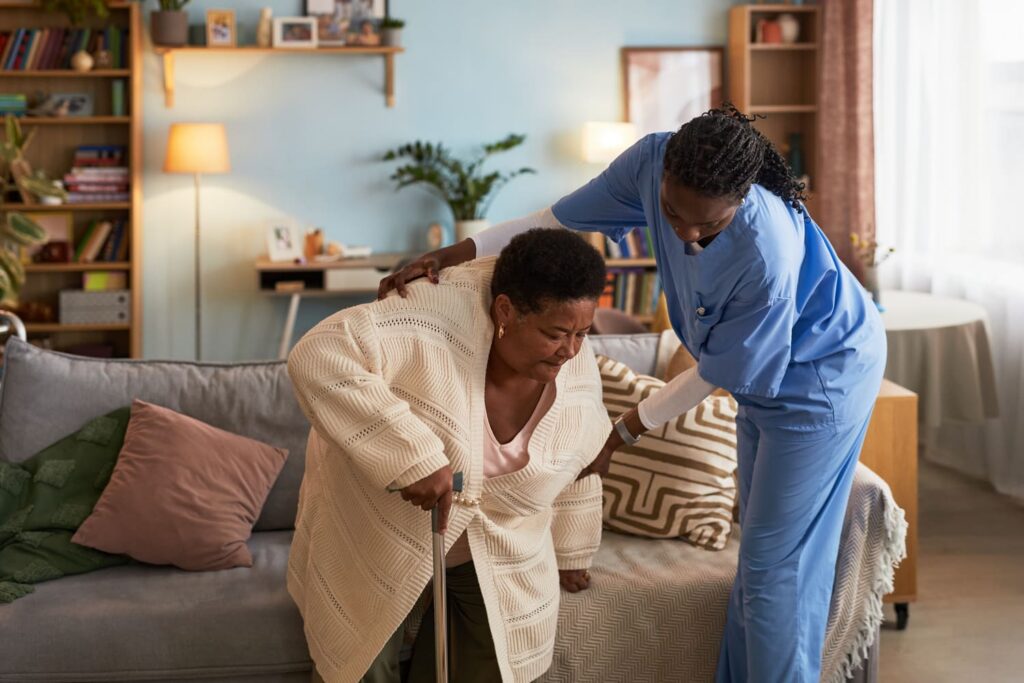
If you’re helping an aging parent stay at home, you already know how much goes into it. The appointments, the medications, the worry that never
If you or someone you love is recovering from an illness, struggling with mobility, or just needs a bit of extra help to stay safe
Caring for a senior or aging parent or an ill friend can be very difficult. Here are some tips to help you cope.
When you’re helping a loved one as a caregiver, don’t overlook the effect it may have on your life and health.
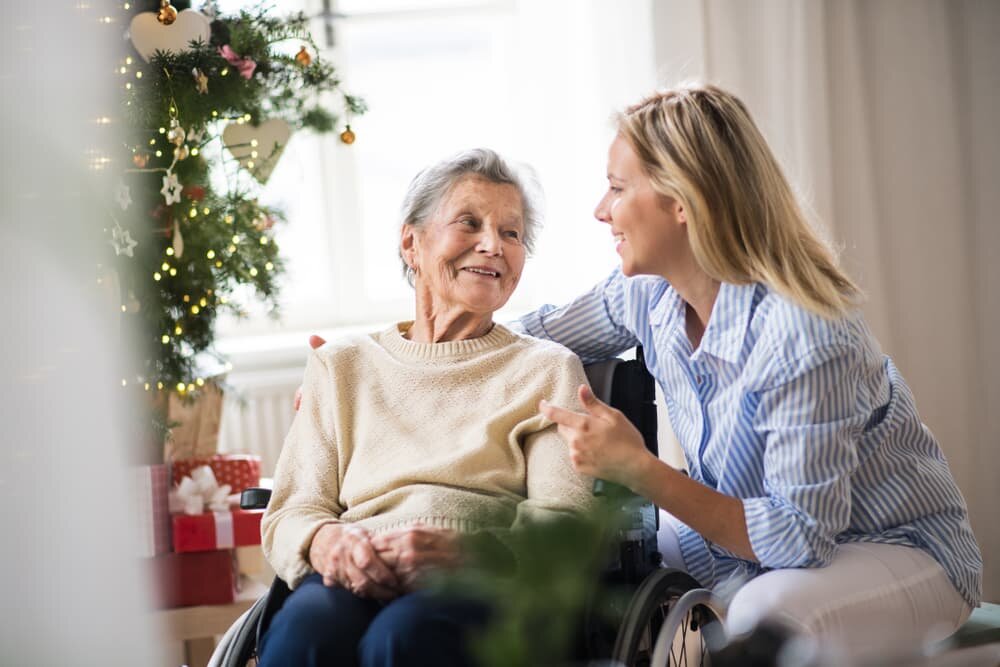
Santa Claus may be coming to town, but so is the cold weather, snow, and ice – sorry to be the bearer of bad news! This is a time of year that can be difficult for seniors in need of companionship and proper, quality caregiving services. At Choice Homecare Ottawa, we know how important it is to implement special procedures to keep such individuals in good spirits and optimal health. Here are our top tips.

It’s common to experience a mental decline or memory loss as you get older or as a result of dementia or Alzheimer’s. Therefore, it’s essential to find ways to help keep the minds of older loved ones stimulated and engaged so their brains can remain active and healthy. Here are some useful activities to keep your loved one mentally agile.
Dr. Daniel Drucker’s incredible contributions towards diabetic research earned him the 2021 Canada Gairdner International Award. His findings over the years have proven instrumental in not only better understanding diabetes and obesity, but also how best to approach treating it. Today, let’s explore the fundamentals of those findings as well as his most recent endeavors.
Santa Claus may be coming to town, but so is the cold weather, snow, and ice – sorry to be the bearer of bad news! This is a time of year that can be difficult for seniors in need of companionship and proper, quality caregiving services. At Choice Homecare Ottawa, we know how important it is to implement special procedures to keep such individuals in good spirits and optimal health. Here are our top tips.

Being able to get around and move freely is necessary for an independent lifestyle, and nobody cherishes it more than those who have had to recover their mobility due to an illness. Some never fully regain the level of control they had before, making for new daily challenges and struggles. Today, let’s explore some key reasons why maintaining control over mobility can lead to a higher quality of life.
It’s common to experience a mental decline or memory loss as you get older or as a result of dementia or Alzheimer’s. Therefore, it’s essential to find ways to help keep the minds of older loved ones stimulated and engaged so their brains can remain active and healthy. Here are some useful activities to keep your loved one mentally agile.

Music can have surprising benefits for seniors and empty-nesters. Here are some benefits and ways to increase the amount of music in your life.
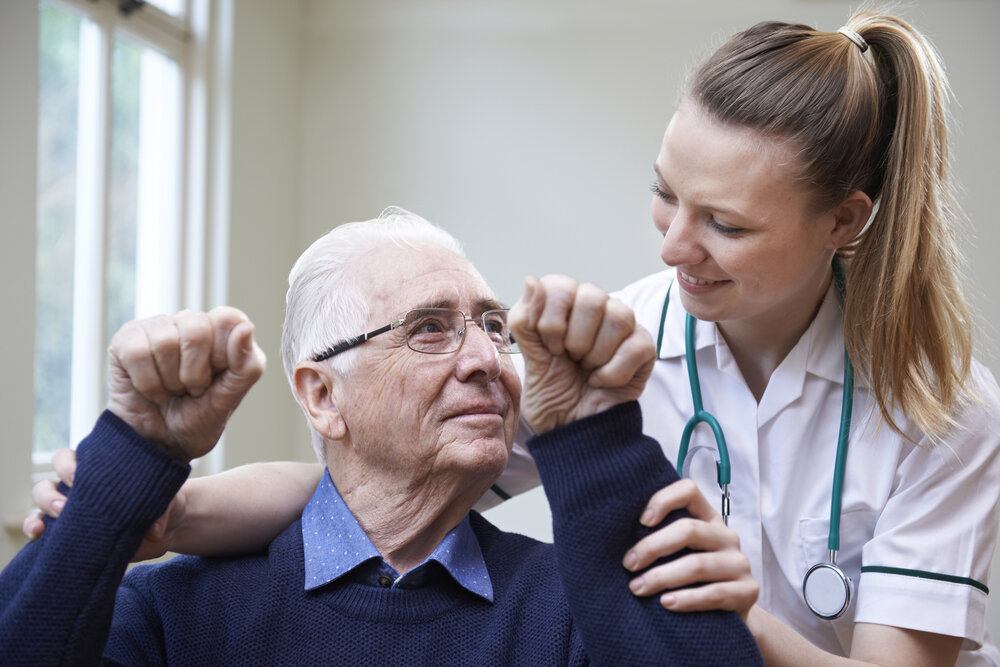
Every second counts when a potential stroke is happening, and being able to notice these signs can help save someone’s life. If any of these signs suddenly occur to you or a loved one, it’s important to recognize this as an emergency situation that requires immediate medical attention. Act FAST
Dr. Daniel Drucker’s incredible contributions towards diabetic research earned him the 2021 Canada Gairdner International Award. His findings over the years have proven instrumental in not only better understanding diabetes and obesity, but also how best to approach treating it. Today, let’s explore the fundamentals of those findings as well as his most recent endeavors.

How in-home caregivers can help after an Acquired Brain Injury or Traumatic Brain Injury. What are the benefits of getting help?
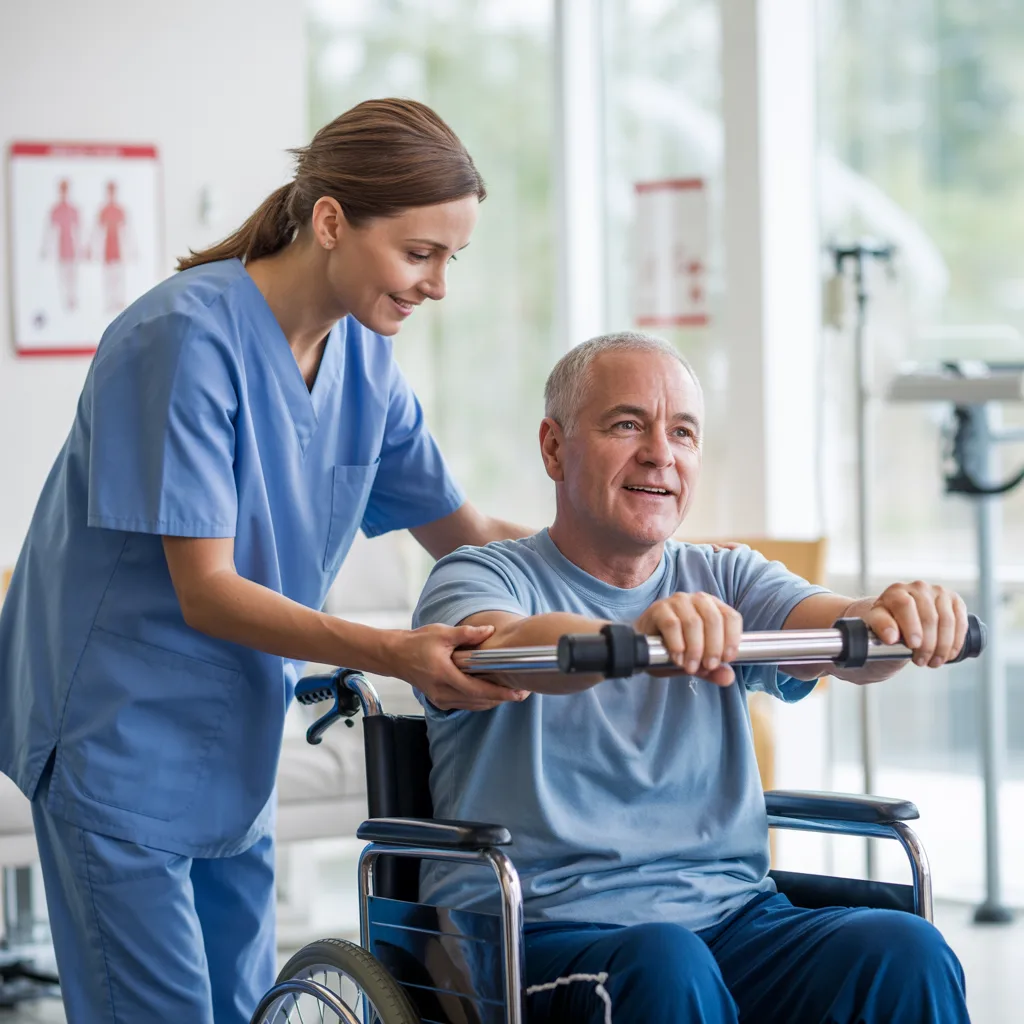
Living with an acquired brain injury is no easy feat. It requires plenty of patience, determination, and the right means of mobile independence recovery in order to improve that little bit more every day. At Choice Homecare Ottawa, we know how important it is for individuals facing such conditions to reach out and secure an appropriate means of care. In this first of a two-part blog series on acquired brain injuries, we’ll familiarize you with the leading causes and effects before moving on to appropriate forms of treatment.
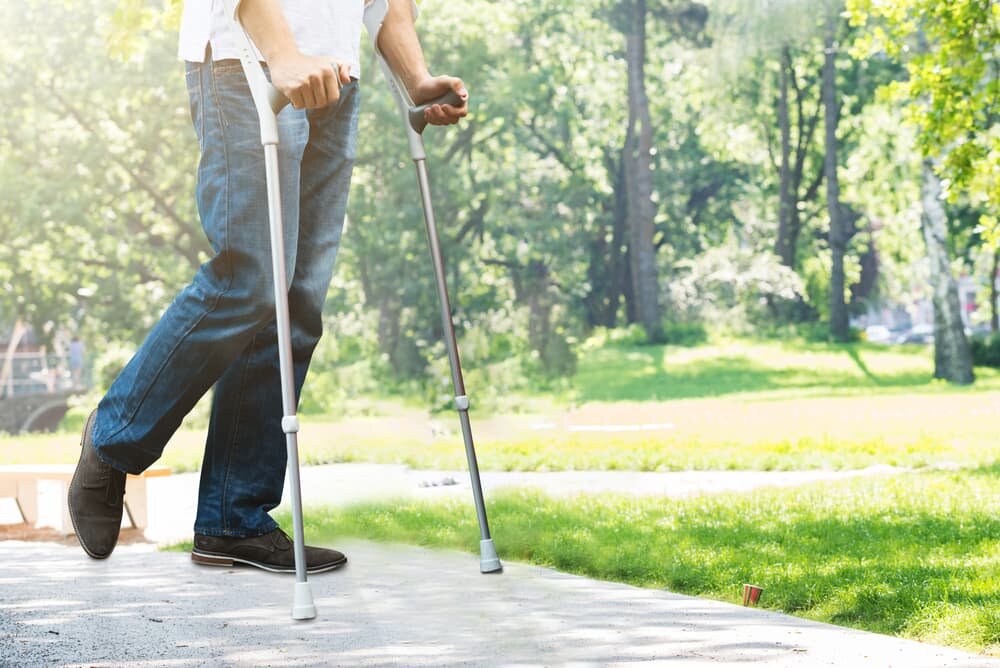
Although there is no cure at the moment, that doesn’t mean there are no ways to minimize or delay the effects of Muscular Dystrophy. Clinically proven mobility independence therapy and specialized training regimens can help.
Being able to get around and move freely is necessary for an independent lifestyle, and nobody cherishes it more than those who have had to recover their mobility due to an illness. Some never fully regain the level of control they had before, making for new daily challenges and struggles. Today, let’s explore some key reasons why maintaining control over mobility can lead to a higher quality of life.

When a loved one suffers a stroke, it can be an overwhelmingly stressful process to help them get back on their feet. Literally. A loss of mobility is a common side-effect and it can take many months or years of specialized therapy to restore the use and strength of all limbs, if possible. Today, let’s explore some key stages of the journey towards post-stroke mobility recovery.

Facing a serious illness is hard for both the person living with it and the family by their side. Palliative care means choosing comfort and
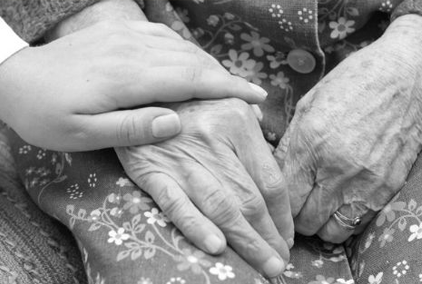
Palliative care is about providing quality of life through comfort and expert care for the patient, but it is also about providing support and comfort to the family. When a loved one is dying, here’s how palliative care can help provide the best care, compassion, and comfort for your loved one.

Caring for a loved one who is dying is not an easy experience. Though you know the end of life is approaching for them, you will probably never feel ready. Knowing what to expect, and what you can do to assist, can be helpful.

It’s not easy to lose a loved one, and the lives of the bereaved are impacted in many ways. It is essential for them to heal after their loss. Families are often shaken by being involved at the end-of-life care of a loved one. Health care professionals can provide the best palliative care by understanding the emotional experiences of family members and offering the most support possible.

Palliative care is specialized care that aims to relieve suffering and improve the quality of life for people with terminal illness, while supporting their families

Palliative care is the compassionate care of a dying person, minimizing their suffering as they progress towards the end of life. Medically, this is achieved
The Ontario Seniors Care at Home Tax Credit is a refundable provincial tax credit designed to help low- to moderate-income seniors cover eligible medical expenses that support aging at home or
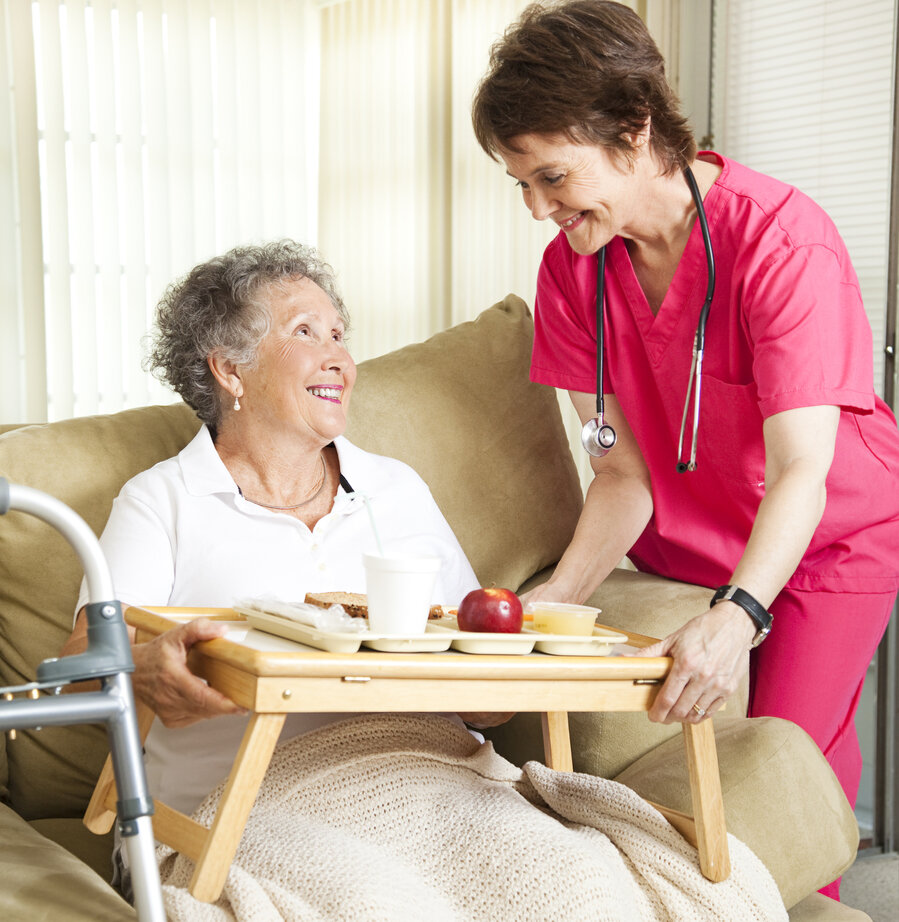
It can be quite a struggle to find ways to pay for long-term home healthcare. With the “sandwich generation” squeeze, this is becoming even more difficult for Canadian adults supporting both their children and their parents. Here are some ideas.

When people consider retirement, they generally focus on the positive aspects, like a vacation home, traveling, social events, hobbies, and sporting activities. Budgeting for age-related expenses is the last thing you want to do when you are healthy, but preparing now can save a lot of grief later.
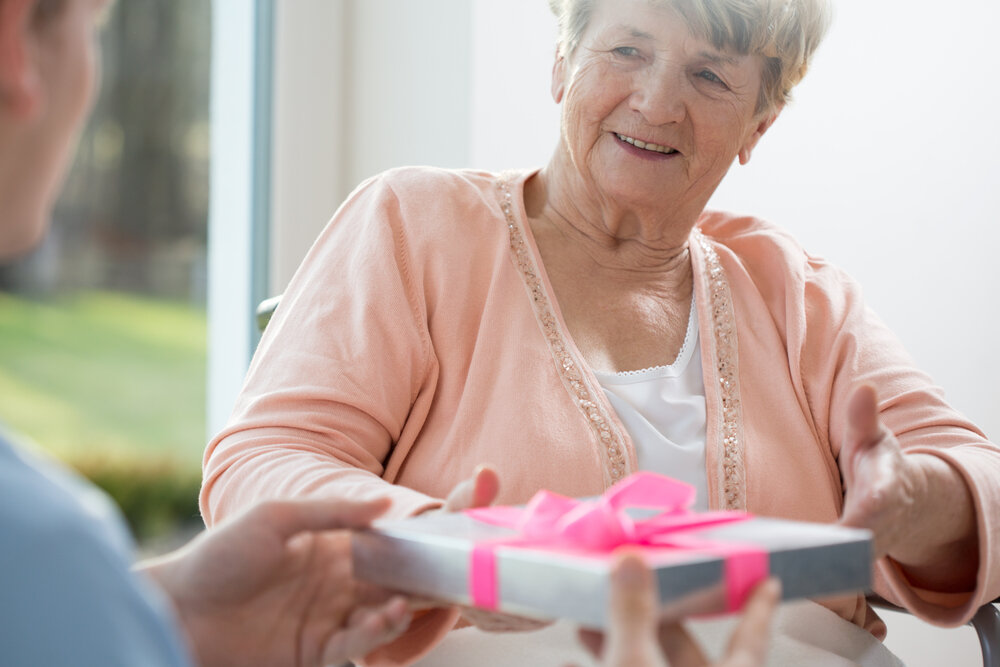
Don’t know what to get the senior in your life? Here are some holiday gift ideas.

The holiday season can be difficult for people caring for loved ones with dementia. Memories of past holidays can remind you how much has changed.
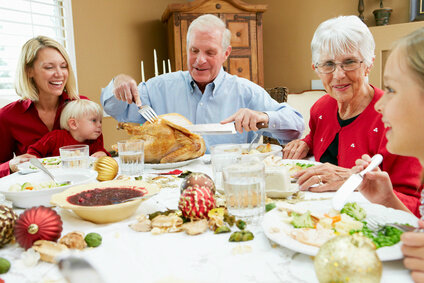
The holiday season is a happy and joyous time for most of us, but many seniors find this time of year to be hectic, confusing

Ottawa is one of the finest cities in Canada to spend your winter break. Overflowing with world renowned recreational events such as Winterlude, the area

The holidays are jam-packed with family get-togethers, parties, and culinary adventures. Amidst all these activities, seniors occasionally find themselves feeling unexpectedly depressed. The holidays can
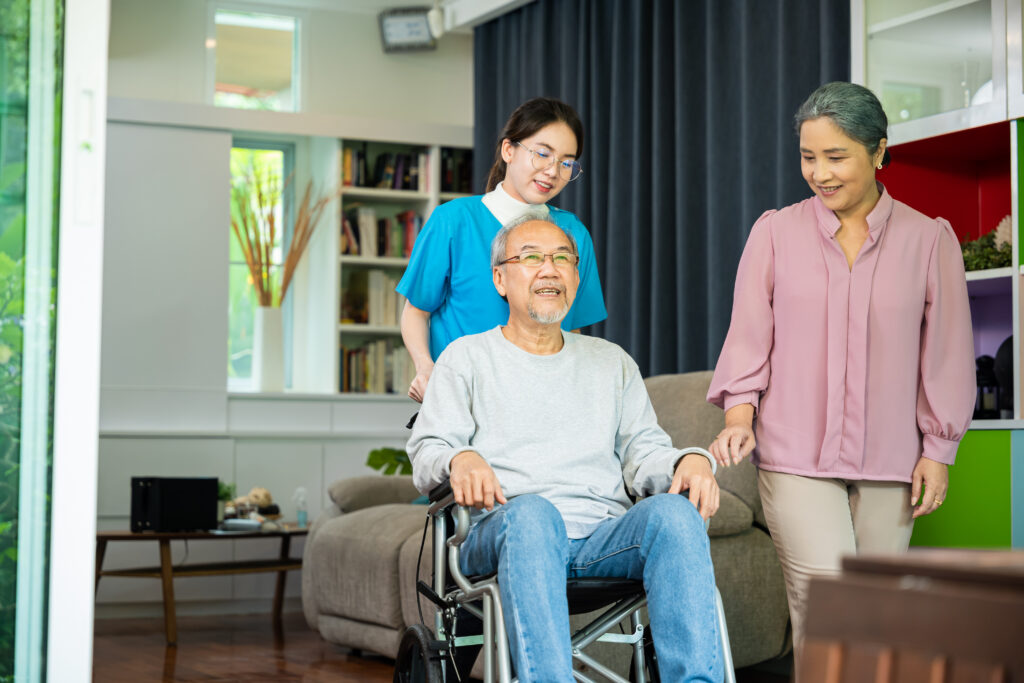
Going home after a hospital stay is a major milestone, but it can also feel overwhelming. Whether your loved one is recovering from surgery, illness,
Staying in the hospital is hard under the best of circumstances, but with dementia, there are added risks.
After you return home from hospitalization, you will need to take time to adjust and heal. In order to avoid the risk of endangering your health, it may be necessary to make changes to your living environment and overall lifestyle as you recuperate. Today, we’ll look at nine ways to help get back on track after your hospitalization.

Visiting the hospital for any length of time is generally an unpleasant or unwelcomed experience. Most people are excited to be discharged and to finally return to the comforts of home. When recovering from illness, injury, or surgery, however, additional measures will help your recovery. Here are some tips.

A hospital stay can be unsettling and challenging for anyone, but it can be especially difficult for people with dementia who have trouble coping with

Preparing for a senior’s discharge from hospital is complicated. There are things to arrange and decisions to make. Connecting with the hospital’s social worker is
If you’re helping an aging parent stay at home, you already know how much goes into it. The appointments, the medications, the worry that never
Going home after a hospital stay is a major milestone but can come with a mix of relief and what now anxiety. The transition from
If you or someone you love is recovering from an illness, struggling with mobility, or just needs a bit of extra help to stay safe

As we age, cooking meals isn’t always the easiest thing to do. Grocery trips can become tiring, and standing at the stove may not feel
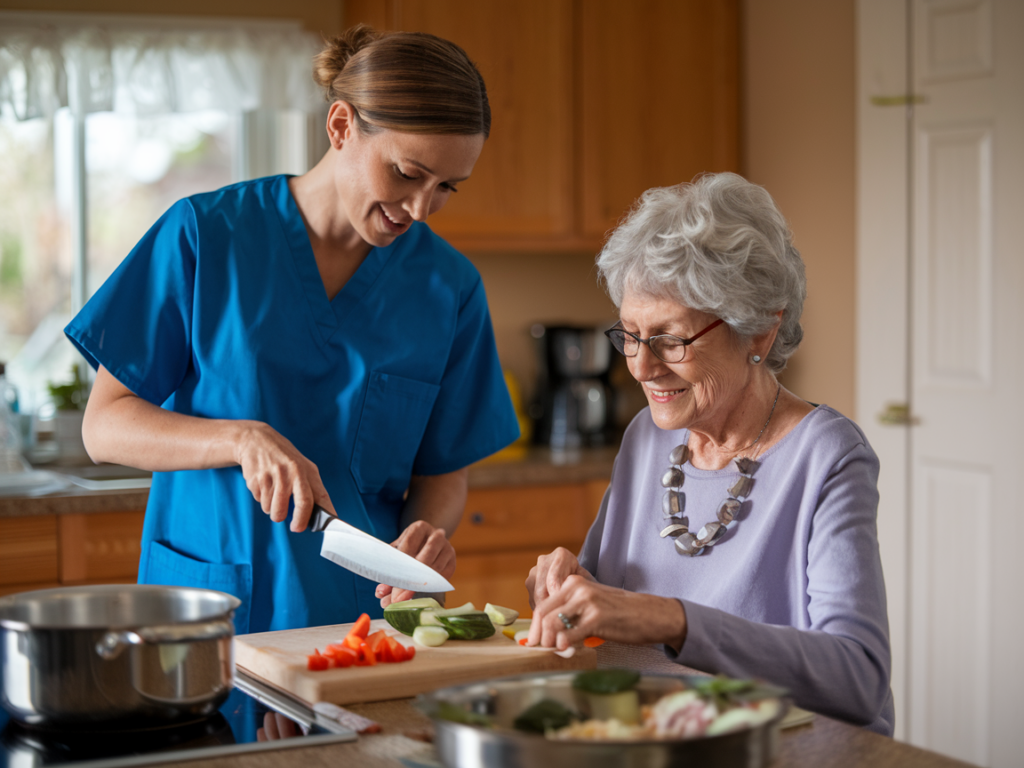
As we age, our needs change—and so should our living spaces. For many Ottawa families supporting aging loved ones, modifying the home can make a
Providing the best possible care for your loved ones requires collaboration, understanding, and a proactive approach. As clients of our home care services, you play

When we age, everything seems to progressively slow down, including the ability to move with agility and carry out basic everyday tasks. Whether it’s the ability to stand firmly on two feet or the inability to rise from the seat without letting out that accompanying groan, it could be time to incorporate some resistant training to improve your health as a senior.

Most people don’t usually think much about their bones or the health of their bones as they go through their daily routines unless something unfortunate happens. Yet having and maintaining healthy bones is essential to virtually every aspect of our daily lives.

People are living longer and enjoying active lifestyles well into their 80s and 90s. Research continues to confirm that eating well and being physically active

Osteoporosis is a disease which causes bones to become fragile and easy to fracture. It is a major cause of disability for older women. A

As people age, exercise is the key to staying strong, energetic and healthy. As we grow older our body’s metabolism naturally slows down, making it

When a parent ages, mental deterioration is often the hardest thing for their children and grandchildren to cope with – even when the physical changes
As we age, cooking meals isn’t always the easiest thing to do. Grocery trips can become tiring, and standing at the stove may not feel

As people age, they may need more help with meal preparation. Seniors’ nutritional needs change, and they may have more difficulty preparing healthy meals. Enlisting help for food preparation can have many benefits.
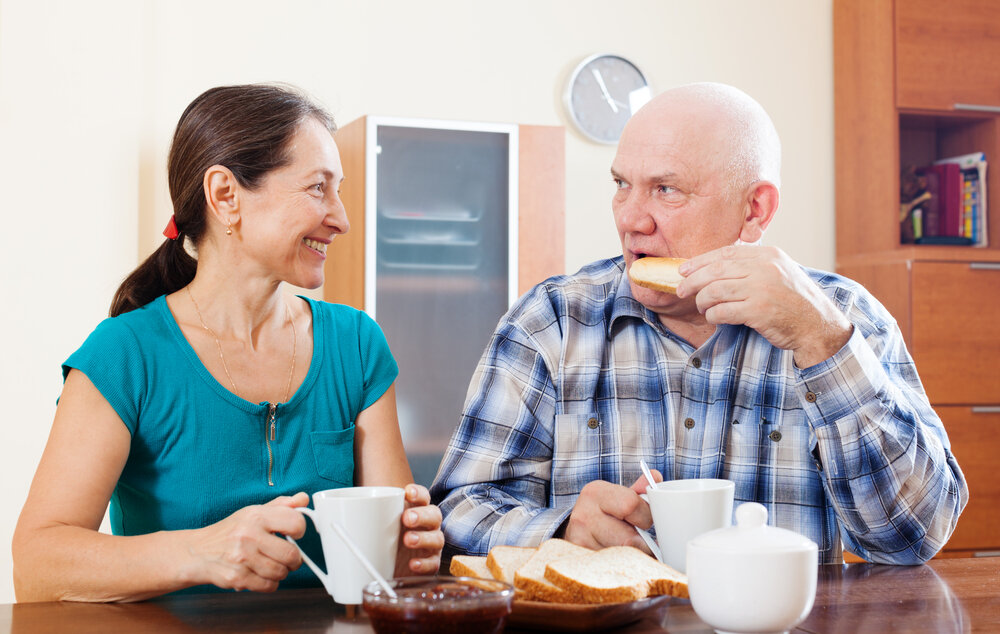
Malnutrition and inadequate nutritional care is sadly common for Canadian seniors, affecting more than 33% of the senior population. Since proper nutrition is the basis to overall health, many seniors are experiencing health risks such as infection, muscle tears, and poor wound healing, among other serious conditions. Here are some causes of malnutrition and ways to combat senior malnutrition.

Approximately one in five seniors in Canada is diagnosed with diabetes. The vast majority of these are Type 2 diabetes (adult-onset diabetes). Complications from diabetes can include nerve damage, eye damage, and increases the risk of heart disease, stroke, high blood pressure, and kidney disease. Thankfully, there are healthy habits seniors can adopt to reduce the symptoms of diabetes.

Diabetes affects seniors more than any other age group, with nearly one million Canadians 65 years and over being diabetic. Living with diabetes can be daunting, but here are some practical things you can do to keep the disease under control.

As a caregiver, trying to get your loved one to change entrenched habits can be a challenge. Even if you both know that these changes