
Enhancing the Quality of Care: A Guide for Clients
Providing the best possible care for your loved ones requires collaboration, understanding, and a proactive approach. As clients of our home care services, you play

Providing the best possible care for your loved ones requires collaboration, understanding, and a proactive approach. As clients of our home care services, you play

Dr. Daniel Drucker’s incredible contributions towards diabetic research earned him the 2021 Canada Gairdner International Award. His findings over the years have proven instrumental in not only better understanding diabetes and obesity, but also how best to approach treating it. Today, let’s explore the fundamentals of those findings as well as his most recent endeavors.

Santa Claus may be coming to town, but so is the cold weather, snow, and ice – sorry to be the bearer of bad news! This is a time of year that can be difficult for seniors in need of companionship and proper, quality caregiving services. At Choice Homecare Ottawa, we know how important it is to implement special procedures to keep such individuals in good spirits and optimal health. Here are our top tips.

Being able to get around and move freely is necessary for an independent lifestyle, and nobody cherishes it more than those who have had to recover their mobility due to an illness. Some never fully regain the level of control they had before, making for new daily challenges and struggles. Today, let’s explore some key reasons why maintaining control over mobility can lead to a higher quality of life.

It’s common to experience a mental decline or memory loss as you get older or as a result of dementia or Alzheimer’s. Therefore, it’s essential to find ways to help keep the minds of older loved ones stimulated and engaged so their brains can remain active and healthy. Here are some useful activities to keep your loved one mentally agile.

Music can have surprising benefits for seniors and empty-nesters. Here are some benefits and ways to increase the amount of music in your life.

Are you or someone you love dealing with forgetfulness or memory loss related to dementia or Alzheimer’s? Here are 4 simple tips to make your life easier.

Living with a loved one with Alzheimer’s is difficult! Caring for them, however, is even more complicated – especially without sufficient expertise or help. Alzheimer’s is a degenerative illness that progressively takes something away as the disease takes its toll over time. Today, let’s outline some of what you should and shouldn’t do when looking after someone with Alzheimer’s disease.
It’s common to experience a mental decline or memory loss as you get older or as a result of dementia or Alzheimer’s. Therefore, it’s essential to find ways to help keep the minds of older loved ones stimulated and engaged so their brains can remain active and healthy. Here are some useful activities to keep your loved one mentally agile.

Traveling with someone living with dementia can be a challenging process. But with some planning ahead, you can travel safely with dementia. Before you head off on your trip, go over these seven tips to travel safely with dementia.

A seemingly simple task such as eating can eventually become a challenging and combative task for those who have dementia or Alzheimer’s disease. Here are some tips to help make mealtime with your loved one easier.

Recent studies in North America estimate that as many as 50% of medications prescribed to seniors are not taken as directed. This situation is exacerbated by conditions which reduce mental stability and alertness such as Alzheimer’s disease and/or dementia. Consider these five tips to stay on track with your loved one’s medication schedule.
Santa Claus may be coming to town, but so is the cold weather, snow, and ice – sorry to be the bearer of bad news! This is a time of year that can be difficult for seniors in need of companionship and proper, quality caregiving services. At Choice Homecare Ottawa, we know how important it is to implement special procedures to keep such individuals in good spirits and optimal health. Here are our top tips.
It’s common to experience a mental decline or memory loss as you get older or as a result of dementia or Alzheimer’s. Therefore, it’s essential to find ways to help keep the minds of older loved ones stimulated and engaged so their brains can remain active and healthy. Here are some useful activities to keep your loved one mentally agile.

Every second counts when a potential stroke is happening, and being able to notice these signs can help save someone’s life. If any of these signs suddenly occur to you or a loved one, it’s important to recognize this as an emergency situation that requires immediate medical attention. Act FAST

Here are the top ten traits that will prevent burnout in caregivers, as reported in this TIME article.

Many seniors find that they begin to have trouble changing positions, e.g., from standing to sitting to reclining, as they age. Difficulties with rising up to a standing position or lowering into a seated or reclined position are quite common, but there are ways to help.

Caregiving for a loved one who needs assistance throughout their everyday activities can be a rewarding experience. However, it can quickly become stressful and frustrating, eventually leading to burnout. Feelings of guilt, exhaustion, anger, and even rage are all signs that it’s time to ask for help.
Every second counts when a potential stroke is happening, and being able to notice these signs can help save someone’s life. If any of these signs suddenly occur to you or a loved one, it’s important to recognize this as an emergency situation that requires immediate medical attention. Act FAST
Many seniors find that they begin to have trouble changing positions, e.g., from standing to sitting to reclining, as they age. Difficulties with rising up to a standing position or lowering into a seated or reclined position are quite common, but there are ways to help.

When it’s time for your aging parents to downsize their home, they will need help and support in dealing with the transition. The emotional toll is particularly heavy if your parents are moving from the family home they have shared for decades, sometimes forty years or more. Here’s how can you help your parents make a move successfully.

Becoming a caregiver for your parents can feel strange and stressful at first: for so long, you were used to your parents taking care of you, and now it’s your turn to take care of them. Switching roles isn’t always easy, but with guidance and planning, you both can get familiar with your new roles. Today, we’ll provide some helpful tips on how to cope with aging parents yet still maintain stability and quality relationships.

Caregiving at a distance can present many challenges, from the guilt of being unable to attend to day-to-day needs to the additional burden of travel time and expenses. Being a long-distance caregiver can be isolating and stressful. Here we look at the challenges of having an aging loved one out of town and why hiring a homecare provider is the best option for support.

Are you concerned about the health of your aging parents? As your parents age, how can you know if they’re taking care of themselves when you’re not around? Ask yourself the following questions after your next visit home.

When a loved one suffers a stroke, it can be an overwhelmingly stressful process to help them get back on their feet. Literally. A loss of mobility is a common side-effect and it can take many months or years of specialized therapy to restore the use and strength of all limbs, if possible. Today, let’s explore some key stages of the journey towards post-stroke mobility recovery.

When you or a loved one suffers a stroke, it can be a stressful process to regain control over the use of muscles and limbs. Here are some techniques and different therapies that could speed recovery.
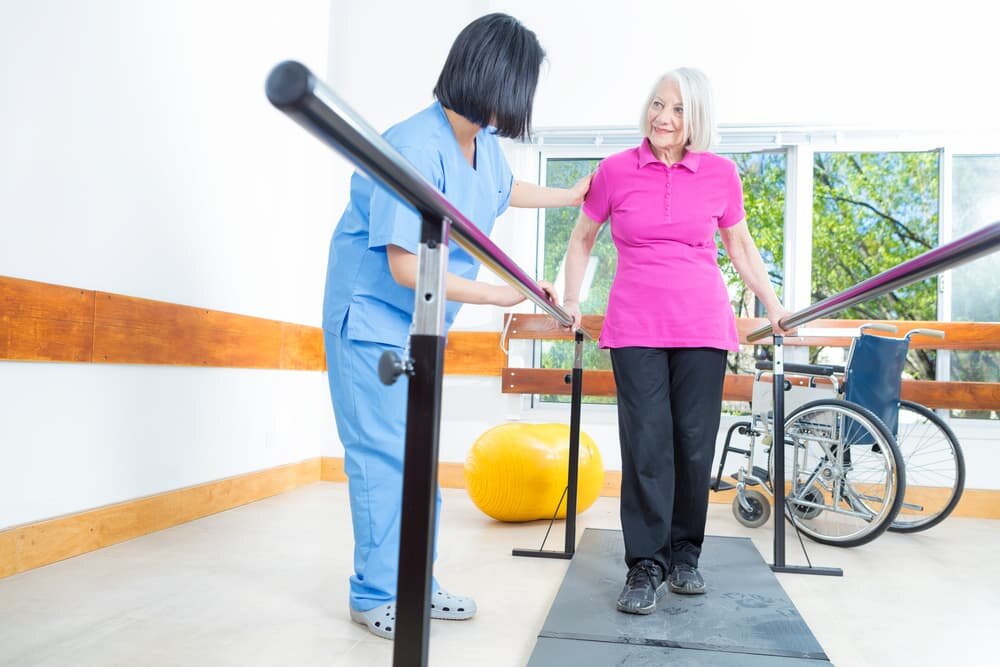
Professional mobility therapy can greatly improve mobility.

There are many chronic neuromuscular degenerative diseases out there. Muscle weakness and fatigue are common symptoms, but these illnesses go much deeper. Today, let’s explore how such diseases can affect movement.

Cerebral Palsy is a condition that can be difficult to live with, especially without professional care. While some patients will have more severe symptoms than others, what are some everyday struggles faced by these individuals?

What is a chronic neuromuscular disease? Here are some facts about these conditions such as Parkinson’s Disease, Cerebral Palsy, or ALS.

A recent study of almost 400,000 Ontario hospital patients showed that there was a significant risk that patients would unintentionally discontinue taking vital prescription medications

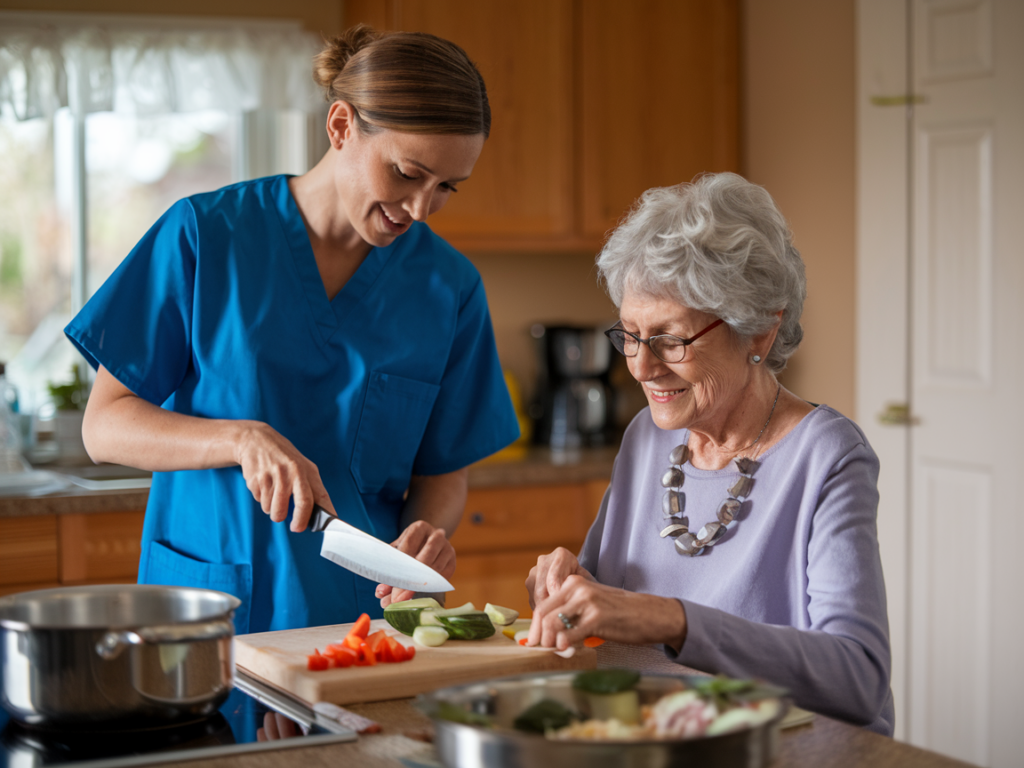
As we age, cooking meals isn’t always the easiest thing to do. Grocery trips can become tiring, and standing at the stove may not feel
As we age, our needs change—and so should our living spaces. For many Ottawa families supporting aging loved ones, modifying the home can make a

Providing the best possible care for your loved ones requires collaboration, understanding, and a proactive approach. As clients of our home care services, you play
Dr. Daniel Drucker’s incredible contributions towards diabetic research earned him the 2021 Canada Gairdner International Award. His findings over the years have proven instrumental in not only better understanding diabetes and obesity, but also how best to approach treating it. Today, let’s explore the fundamentals of those findings as well as his most recent endeavors.
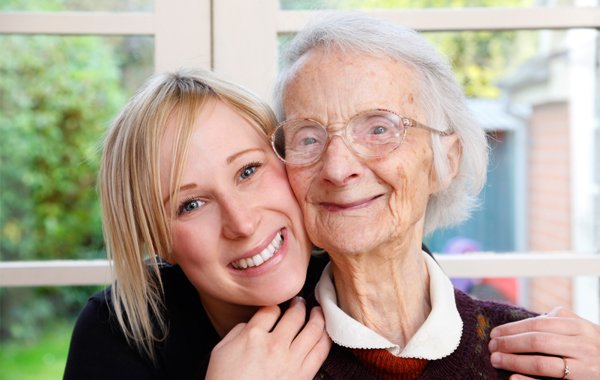
Caring for a senior or aging parent or an ill friend can be very difficult. Here are some tips to help you cope.

When you’re helping a loved one as a caregiver, don’t overlook the effect it may have on your life and health.

Shedding pounds and keeping them off gets tougher as we age. We vow in January to make big changes, but by Valentine’s Day our motivation

People are living longer and enjoying active lifestyles well into their 80s and 90s. Research continues to confirm that eating well and being physically active

Malnutrition is a serious health problem for seniors, and is more common than you’d think. Learn the signs and causes of malnutrition and take steps

In a previous post we discussed the importance of ensuring that seniors are getting enough vegetables, and pointed out some of the most popular myths

When we were kids, our parents always told us to eat our vegetables because they were good for us. When your parents start getting older,

Meal times, and day-to-day eating and drinking, can become very challenging as dementia progresses. In the early stages, a person with dementia who lives alone
Proper nutrition is an issue for everyone. So many health problems could be fixed or completely prevented if we would all just eat the right