
8 Care Options for Alzheimer’s Patients

Alzheimer’s disease is progressive, and can be challenging for their family members and caregivers. Here are 4 options to help you care for your loved one at home and 4 options to care for your loved one when they can no longer live at home.
9 Signs of Early Alzheimer’s Disease

As of today, Alzheimer’s is still an incurable disease affecting over 500,000 Canadians. Catching the disease early can help with overall treatment, so if you or a loved one is exhibiting any of the following early symptoms, talk to your doctor immediately.
Combatting Senior Malnutrition

Malnutrition and inadequate nutritional care is sadly common for Canadian seniors, affecting more than 33% of the senior population. Since proper nutrition is the basis to overall health, many seniors are experiencing health risks such as infection, muscle tears, and poor wound healing, among other serious conditions. Here are some causes of malnutrition and ways to combat senior malnutrition.
7 Ways to Connect With Your Loved One with Dementia
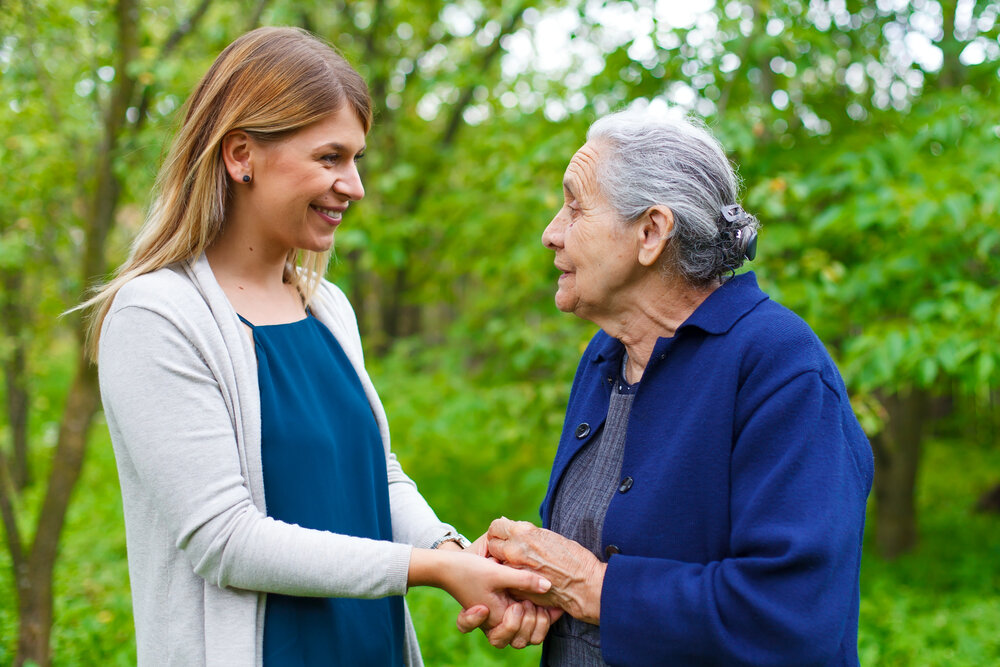
When a loved one has dementia, a simple interaction can be troublesome and difficult. Since connecting with others is at the core of human nature, it can be devastating when we feel as though we can no longer share that bond with a loved one. Even with dementia, though, there are some ways you can continue to connect and build that bond with your loved one.
Caring for a Loved One with Arthritis

Arthritis is a disease that causes joint inflammation and symptoms include pain, swelling, stiffness, and fatigue. This chronic pain affects daily life in so many ways as the disease progresses that it begins to affect mobility and motor skills. Read on to learn more about caring for a loved one or senior with arthritis.
Giving Back to Mom and Dad

When everyday tasks become a challenge for your elderly parents, loving care and support from their children can help parents make the most of their later years in life. Here are some simple ways to return the care to mom and dad that they gave to you.
What to Expect When Caring for Someone with Middle-Stage Alzheimer’s
If you have a loved one with Alzheimer’s disease, here’s what to expect during the middle stages of caregiving:
Senior Health: Winter Safety Tips

As much as many of us would love to hibernate during the winter, we all must face that snow, ice, and cold at some point. For seniors, wintertime in Ottawa can provide additional risks when it comes to getting around on slippery streets and even at home. Follow these quick tips to steer clear of common risks that can pose possible dangers to our senior loved ones during the winter.
The Importance of Palliative Care
Palliative care is about providing quality of life through comfort and expert care for the patient, but it is also about providing support and comfort to the family. When a loved one is dying, here’s how palliative care can help provide the best care, compassion, and comfort for your loved one.
Senior Health: Wintertime Fall Prevention
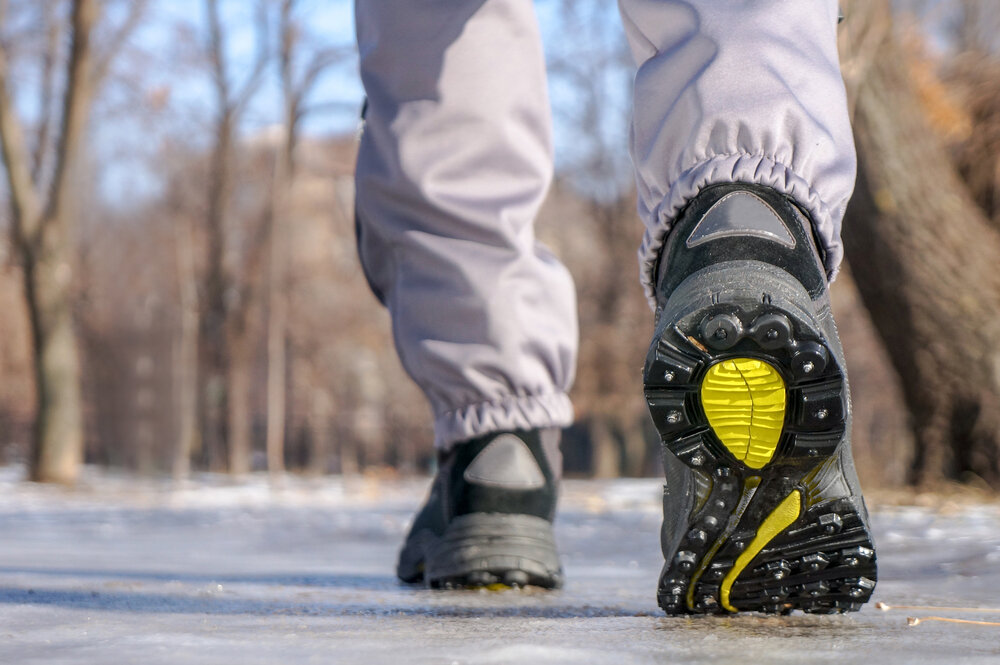
Falls are the leading cause of injury-related hospitalizations for Canadian seniors, and more than one in four seniors fall each year. Winter is especially risky. Here are some tips to help prevent falls for elderly people and seniors in the winter.
Living With Type 2 Diabetes

Approximately one in five seniors in Canada is diagnosed with diabetes. The vast majority of these are Type 2 diabetes (adult-onset diabetes). Complications from diabetes can include nerve damage, eye damage, and increases the risk of heart disease, stroke, high blood pressure, and kidney disease. Thankfully, there are healthy habits seniors can adopt to reduce the symptoms of diabetes.
Flu Prevention Tips for Seniors

Flu and seniors can be a dangerous combination. According to CDC statistics, patients 65 years and older account for as much as 70% of flu-related hospitalizations. Before this flu season hits full throttle, here are some flu prevention tips for seniors.