
4 Ways to Help Stroke Sufferers Cope with Mobility Issues

When you or a loved one suffers a stroke, it can be a stressful process to regain control over the use of muscles and limbs. Here are some techniques and different therapies that could speed recovery.
Why Professional Mobility Therapy is Integral to Recovery
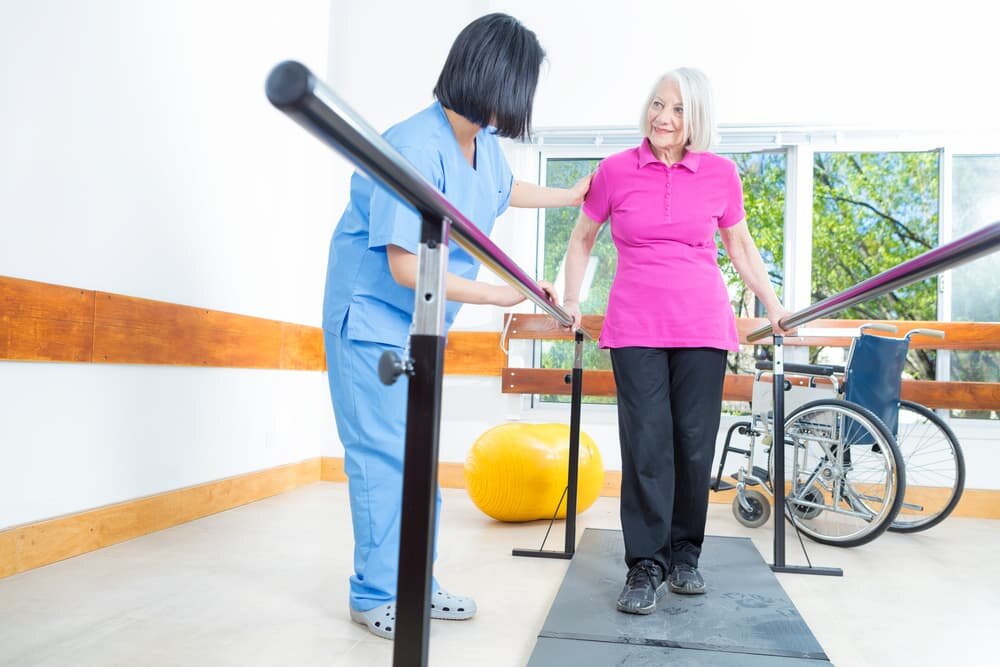
Professional mobility therapy can greatly improve mobility.
Announcing Choice Homecare’s First Employee of the Year Award

Choice Homecare has exceptional caregivers. Meet Lanny Ferrer, winner of the first Employee of the Year Award. With frequent glowing reviews from her clients and their families, Lanny has been taking care of Choice Homecare’s clients since 2015.
How Chronic Neuromuscular Degenerative Diseases Impact Our Mobility

There are many chronic neuromuscular degenerative diseases out there. Muscle weakness and fatigue are common symptoms, but these illnesses go much deeper. Today, let’s explore how such diseases can affect movement.
Symptoms Faced by Individuals with Cerebral Palsy

Cerebral Palsy is a condition that can be difficult to live with, especially without professional care. While some patients will have more severe symptoms than others, what are some everyday struggles faced by these individuals?
What are Chronic Neuromuscular Degenerative Diseases?

What is a chronic neuromuscular disease? Here are some facts about these conditions such as Parkinson’s Disease, Cerebral Palsy, or ALS.
How to Improve your Loved One’s Cognitive Skills

It’s common to experience a mental decline or memory loss as you get older or as a result of dementia or Alzheimer’s. Therefore, it’s essential to find ways to help keep the minds of older loved ones stimulated and engaged so their brains can remain active and healthy. Here are some useful activities to keep your loved one mentally agile.
Why Empty Nesters Should Incorporate Music into Their Daily Lives

Music can have surprising benefits for seniors and empty-nesters. Here are some benefits and ways to increase the amount of music in your life.
9 Ways to Adapt After Hospitalization
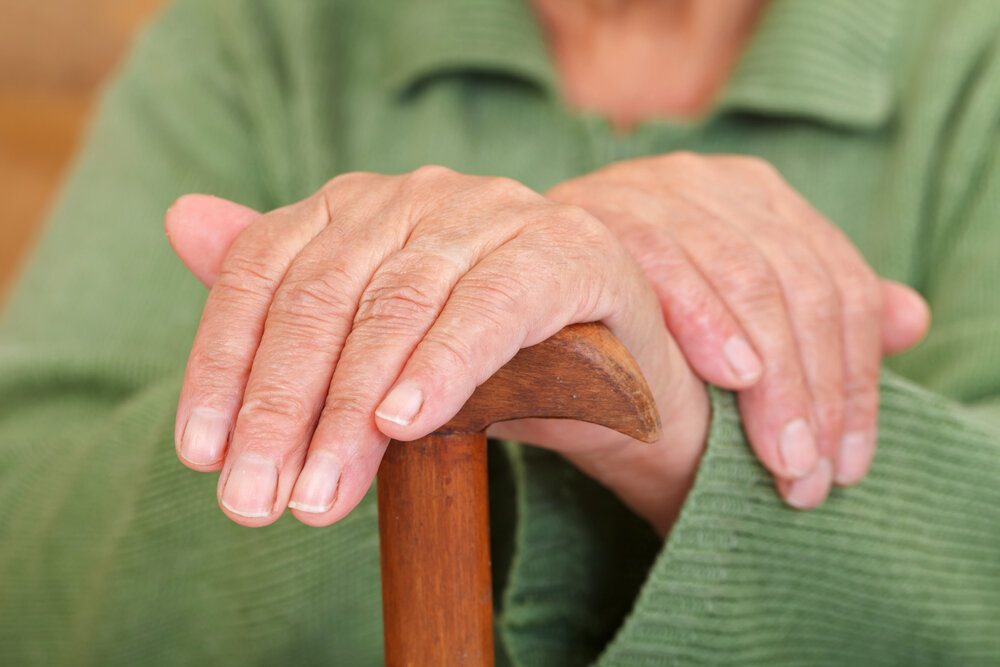
After you return home from hospitalization, you will need to take time to adjust and heal. In order to avoid the risk of endangering your health, it may be necessary to make changes to your living environment and overall lifestyle as you recuperate. Today, we’ll look at nine ways to help get back on track after your hospitalization.
Think FAST – The Warning Signs of an Oncoming Stroke

Every second counts when a potential stroke is happening, and being able to notice these signs can help save someone’s life. If any of these signs suddenly occur to you or a loved one, it’s important to recognize this as an emergency situation that requires immediate medical attention. Act FAST
TIME Health: Caregiver Traits That Help Reduce Burnout

Here are the top ten traits that will prevent burnout in caregivers, as reported in this TIME article.
Helping Seniors with Standing, Sitting and Reclining

Many seniors find that they begin to have trouble changing positions, e.g., from standing to sitting to reclining, as they age. Difficulties with rising up to a standing position or lowering into a seated or reclined position are quite common, but there are ways to help.