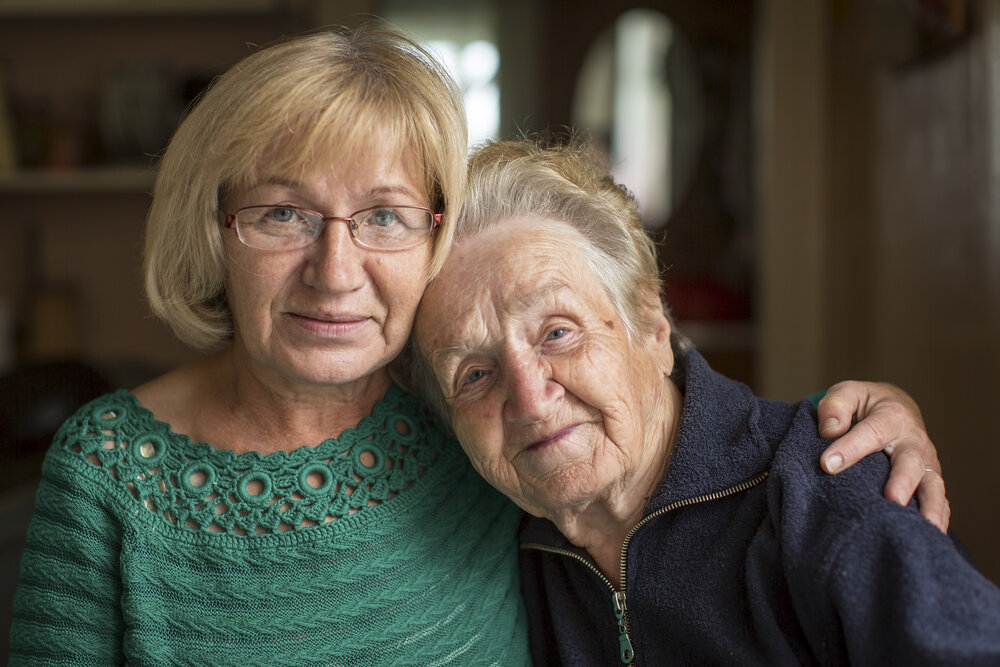
Approaching a Loved One Who Resists Care
So your loved one needs care, but they are digging in their heels and refusing. Why? And what can you do about it?

So your loved one needs care, but they are digging in their heels and refusing. Why? And what can you do about it?
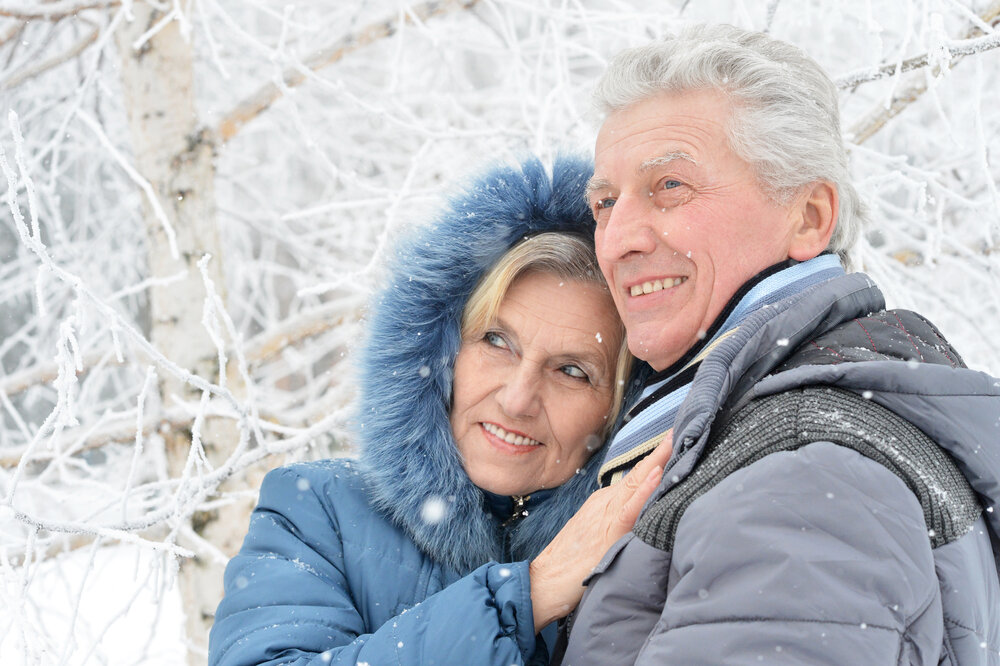
Seniors are especially at risk of accidents and injury during winter. Here are some tips to keep your loved one safe in the Ottawa winter.
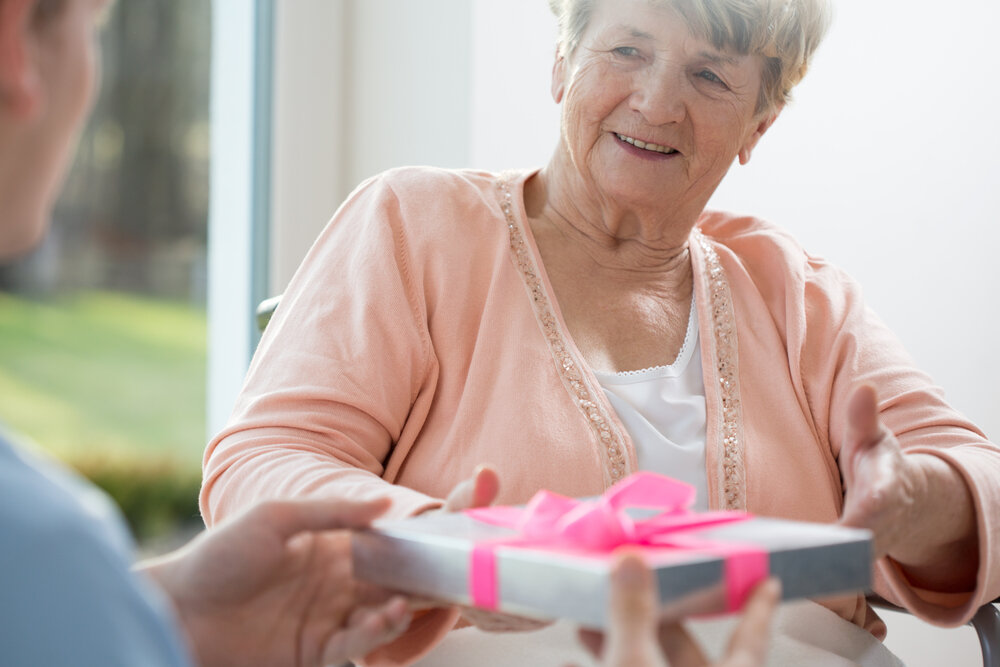
Don’t know what to get the senior in your life? Here are some holiday gift ideas.
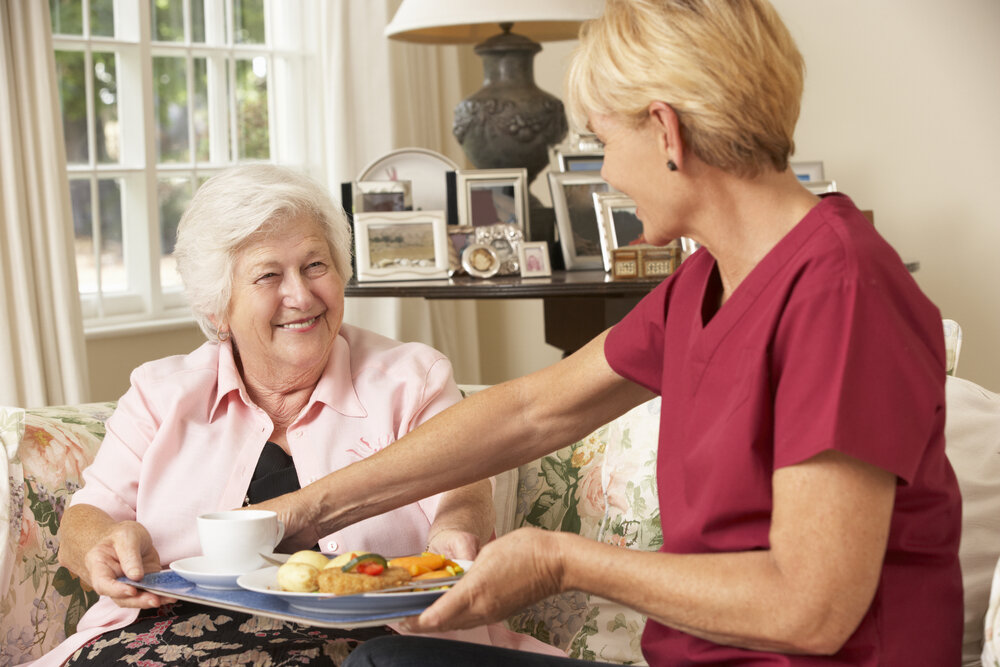
How do you know if your parents need help at home? Here are 10 signs to watch out for.
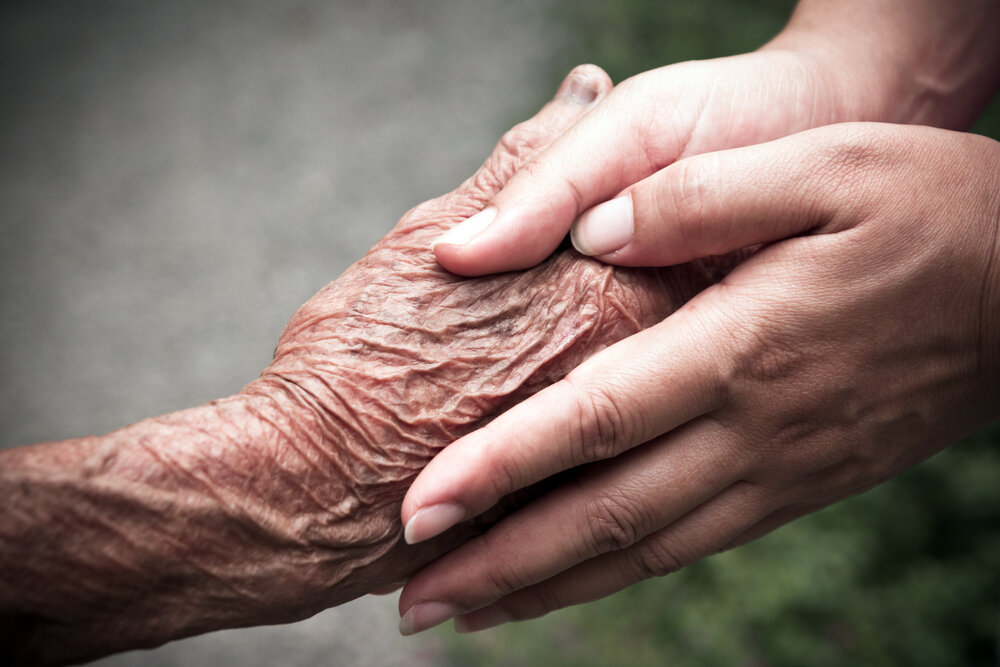
Taking care of an elderly loved one is a noble cause. Being a caregiver is not an easy task, however. It can leave a person exhausted and stressed out in only a matter of weeks, and after that comes caregiver burnout. If a caregiver to an elderly loved one exhibits any of the following signs of burnout, it is time to get help.
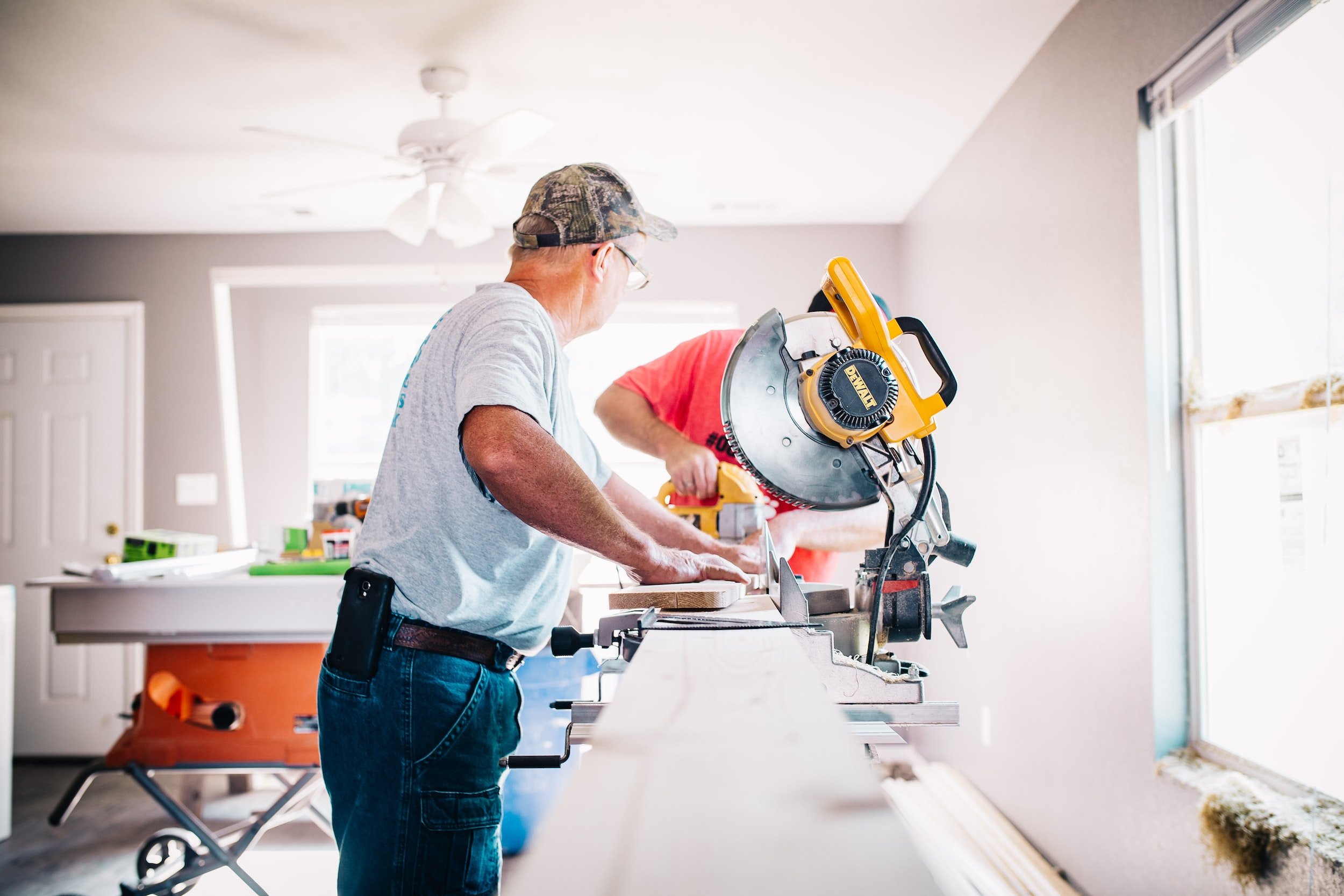
In order to continue an independent and happy lifestyle, many seniors have decided to remain in their homes as they age. However, accessibility and safety issues can arise at home as age increases. Here are some great home improvement ideas to make a senior’s home safer and more accessible.

The holiday season can be difficult for people caring for loved ones with dementia. Memories of past holidays can remind you how much has changed.
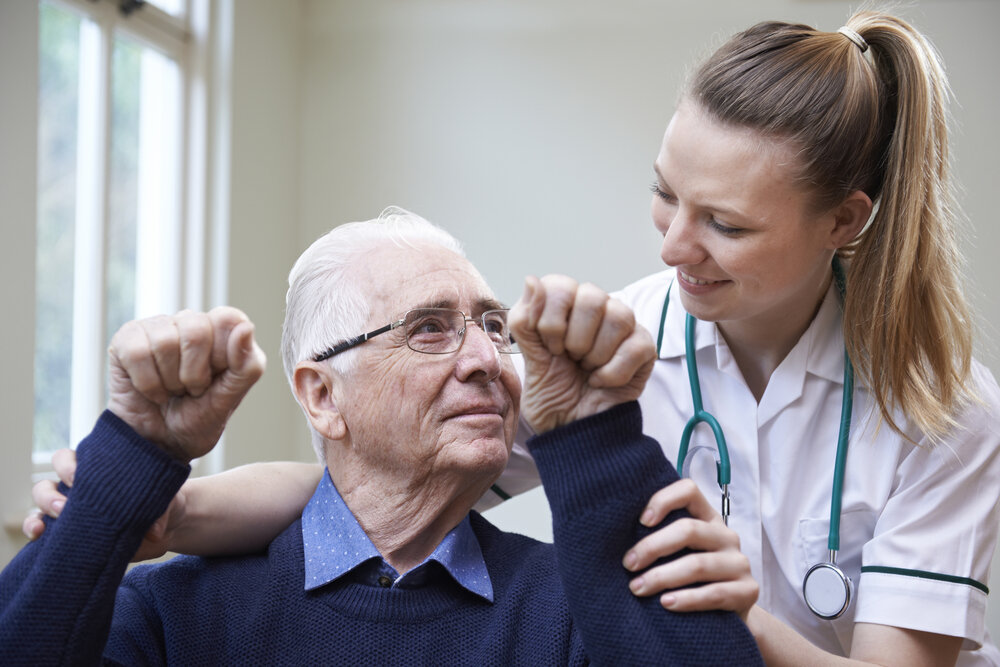
Across the planet, 35 million people and their families are affected by dementia. 200,000 people are affected by dementia here in Ontario. One in ten

We look back at our lives as a series of memories of people and events. Our memories remind us of what we’ve done, where we’ve

People with Alzheimer’s disease need regular medical care to address a range of issues. If you’re accompanying a loved one with Alzheimer’s on doctor’s visits,

Sleep problems and dementia are usually a package deal. You can help everyone get a good night’s sleep by understanding what contributes to sleep problems

Caring for a person with Alzheimer’s is a challenging task that is not a one-person job. No one is capable of caring for someone 24/7,
Caregiving is providing help to another person in need. This can be an ailing spouse, an aging parent or a disabled child. More and more
We look back at our lives as a series of memories of people and events. Our memories remind us of what we’ve done, where we’ve

When a loved one needs care and you are far away, there are still many things you can do to help with their care from
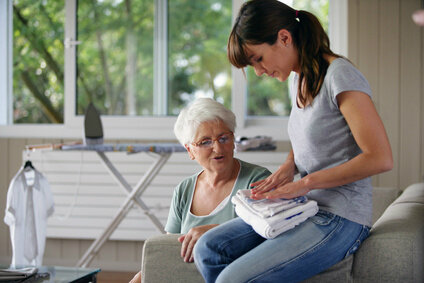
Alzheimer’s disease can make ordinary, day-to-day activities challenging. Here are some tips to make daily tasks easier for the patient, the caregivers and the family.
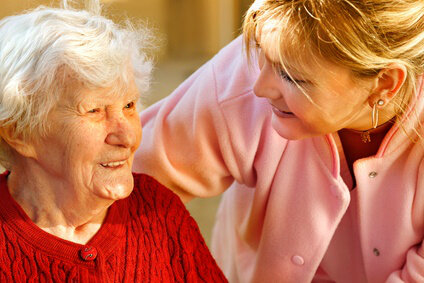
Every day, a caregiver is faced with anxiety-inducing events. Living in proximity to such unpredictable and dire emergencies can take both a physical and mental

The symptoms of a stroke can be difficult to identify. Unfortunately, that lack of awareness can spell disaster. A stroke victim may suffer severe brain

Aging is a part of life. However, it’s difficult to watch loved ones age as they transition from being our caregivers to needing care. As a loving adult child, you may want to explore the role of family caregiver. If you do wish to take on the role of family caregiver, you should know exactly what it entails.

When we age, everything seems to progressively slow down, including the ability to move with agility and carry out basic everyday tasks. Whether it’s the ability to stand firmly on two feet or the inability to rise from the seat without letting out that accompanying groan, it could be time to incorporate some resistant training to improve your health as a senior.

Loneliness is unfortunately a common part of life for many seniors. Providing opportunities for seniors to engage with other people and develop new friendships is vital for both emotional and physical well-beings of seniors. So whether it’s for you or an elderly loved one, here is a quick guide to staying social.
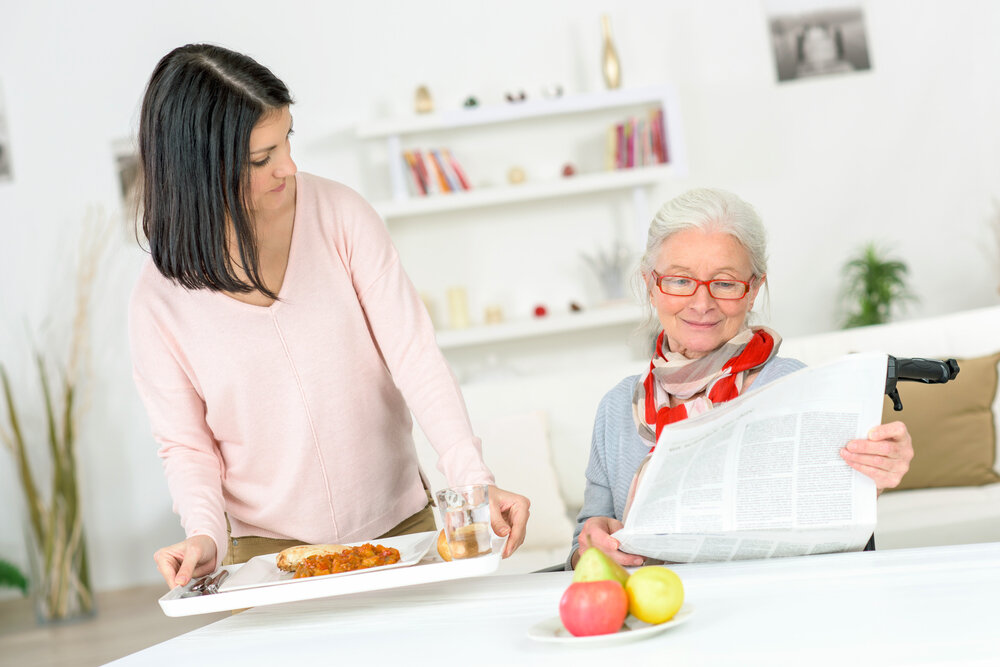
As a caregiver, trying to get your loved one to change entrenched habits can be a challenge. Even if you both know that these changes
So your loved one needs care, but they are digging in their heels and refusing. Why? And what can you do about it?
Seniors are especially at risk of accidents and injury during winter. Here are some tips to keep your loved one safe in the Ottawa winter.
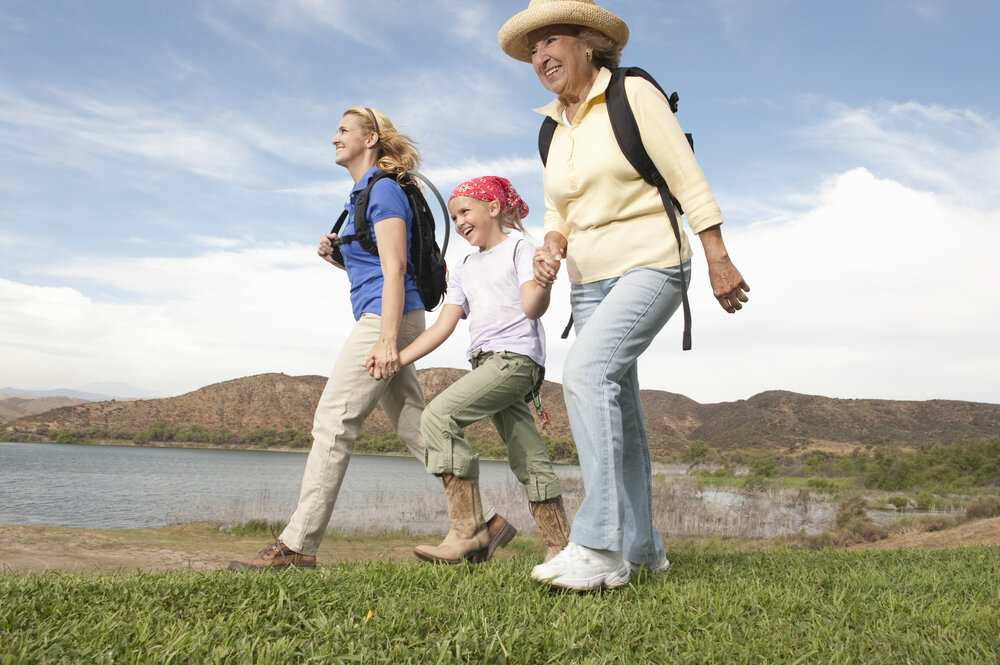
When everyday tasks become a challenge for your elderly parents, loving care and support from their children can help parents make the most of their later years in life. Here are some simple ways to return the care to mom and dad that they gave to you.

As much as many of us would love to hibernate during the winter, we all must face that snow, ice, and cold at some point. For seniors, wintertime in Ottawa can provide additional risks when it comes to getting around on slippery streets and even at home. Follow these quick tips to steer clear of common risks that can pose possible dangers to our senior loved ones during the winter.
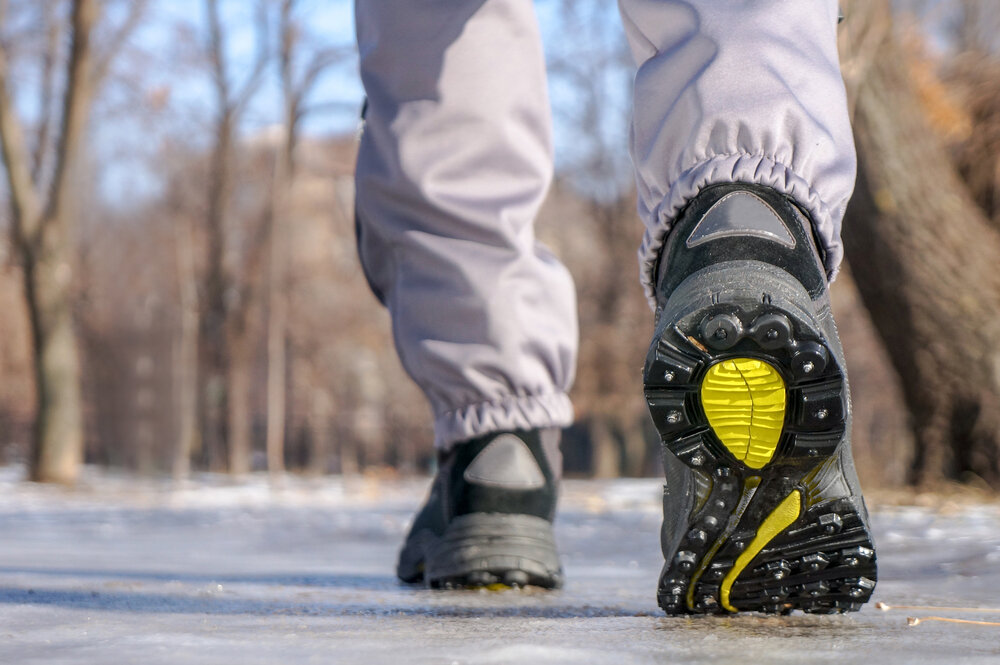
Falls are the leading cause of injury-related hospitalizations for Canadian seniors, and more than one in four seniors fall each year. Winter is especially risky. Here are some tips to help prevent falls for elderly people and seniors in the winter.

Approximately one in five seniors in Canada is diagnosed with diabetes. The vast majority of these are Type 2 diabetes (adult-onset diabetes). Complications from diabetes can include nerve damage, eye damage, and increases the risk of heart disease, stroke, high blood pressure, and kidney disease. Thankfully, there are healthy habits seniors can adopt to reduce the symptoms of diabetes.

Flu and seniors can be a dangerous combination. According to CDC statistics, patients 65 years and older account for as much as 70% of flu-related hospitalizations. Before this flu season hits full throttle, here are some flu prevention tips for seniors.
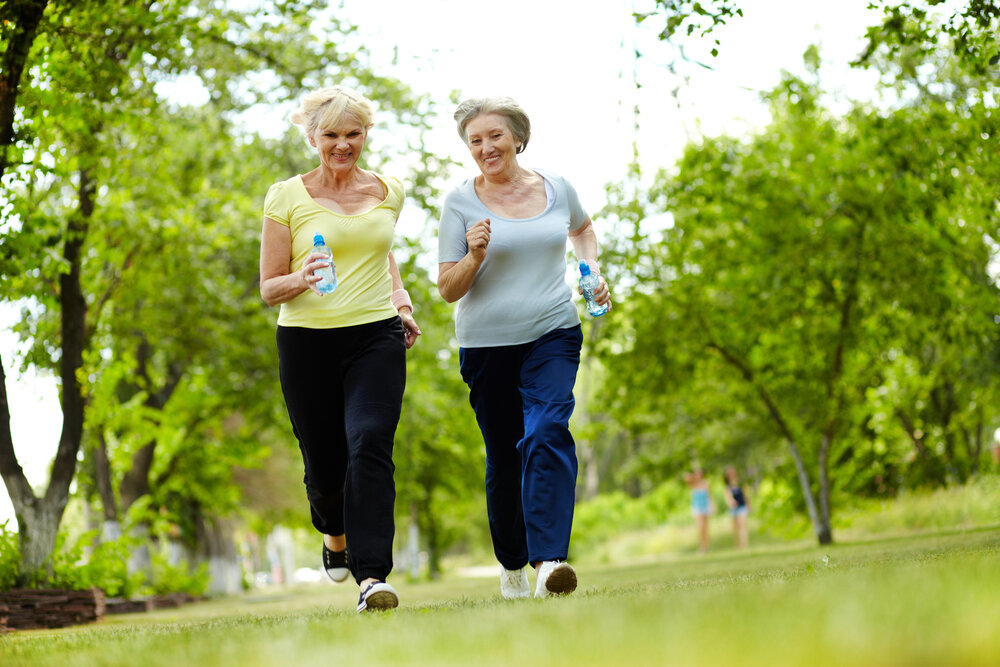
Diabetes affects seniors more than any other age group, with nearly one million Canadians 65 years and over being diabetic. Living with diabetes can be daunting, but here are some practical things you can do to keep the disease under control.