hospice & palliative care

Family caregiver Guide

Practical advice, support, and expert tips for caregivers, helping you provide the best home care for your loved ones.

Alzheimer’s and dementia

img

Alzheimer’s Safety: 10 Tips to Prevent Wandering

According to the Alzheimer’s Association, 6 in 10 people with Alzheimer’s disease or dementia will wander. Wandering is more common as the disease progresses to its later stages, although it can occur at any stage. Here are 10 tips to help prevent your loved one from wandering.

Read More »
img 1

The 7 Basic Stages of Alzheimer’s Disease

Alzheimer’s disease is a progressive disease, involving many parts of brain function. If you are caring for a loved one or senior with Alzheimer’s, understanding the progression of the disease can help you know how to provide the best care possible. Here are the 7 stages of the disease.

Read More »

Caregiving

img 1

7 Medication Reminders That Work

Recent studies in North America estimate that as many as 50% of medications prescribed to seniors are not taken as directed. This situation is exacerbated by conditions which reduce mental stability and alertness such as Alzheimer’s disease and/or dementia. Consider these five tips to stay on track with your loved one’s medication schedule.

Read More »
img

Combatting Senior Malnutrition

Malnutrition and inadequate nutritional care is sadly common for Canadian seniors, affecting more than 33% of the senior population. Since proper nutrition is the basis to overall health, many seniors are experiencing health risks such as infection, muscle tears, and poor wound healing, among other serious conditions. Here are some causes of malnutrition and ways to combat senior malnutrition. 

Read More »
img

7 Ways to Connect With Your Loved One with Dementia

When a loved one has dementia, a simple interaction can be troublesome and difficult. Since connecting with others is at the core of human nature, it can be devastating when we feel as though we can no longer share that bond with a loved one.  Even with dementia, though, there are some ways you can continue to connect and build that bond with your loved one.

Read More »
img

Caring for a Loved One with Arthritis

Arthritis is a disease that causes joint inflammation and symptoms include pain, swelling, stiffness, and fatigue. This chronic pain affects daily life in so many ways as the disease progresses that it begins to affect mobility and motor skills. Read on to learn more about caring for a loved one or senior with arthritis.

Read More »
img

What Does Being a Family Caregiver Entail?

Aging is a part of life. However, it’s difficult to watch loved ones age as they transition from being our caregivers to needing care. As a loving adult child, you may want to explore the role of family caregiver. If you do wish to take on the role of family caregiver, you should know exactly what it entails.

Read More »

Caring for your aging parents

img 1

Healthy Aging: How to Get More Restful Sleep

If you feel exhausted when you wake up in the morning, odds are that you’re not getting the good night’s sleep you need. As you get older, sleep can become more challenging, especially if you have a condition such as sleep apnea or Alzheimer’s disease. Here are some quick tips that will help seniors get that restful sleep you’ve been (day) dreaming about.

Read More »
img 1

7 Medication Reminders That Work

Recent studies in North America estimate that as many as 50% of medications prescribed to seniors are not taken as directed. This situation is exacerbated by conditions which reduce mental stability and alertness such as Alzheimer’s disease and/or dementia. Consider these five tips to stay on track with your loved one’s medication schedule.

Read More »
img

9 Signs of Early Alzheimer’s Disease

As of today, Alzheimer’s is still an incurable disease affecting over 500,000 Canadians. Catching the disease early can help with overall treatment, so if you or a loved one is exhibiting any of the following early symptoms, talk to your doctor immediately.

Read More »
img

Combatting Senior Malnutrition

Malnutrition and inadequate nutritional care is sadly common for Canadian seniors, affecting more than 33% of the senior population. Since proper nutrition is the basis to overall health, many seniors are experiencing health risks such as infection, muscle tears, and poor wound healing, among other serious conditions. Here are some causes of malnutrition and ways to combat senior malnutrition. 

Read More »

Complex care

End-of-life care, Palliative care

Finances

Holidays and Christmas

Hospital

Seniors: Aging, Tips for Seniors

img 1

Think FAST – The Warning Signs of an Oncoming Stroke

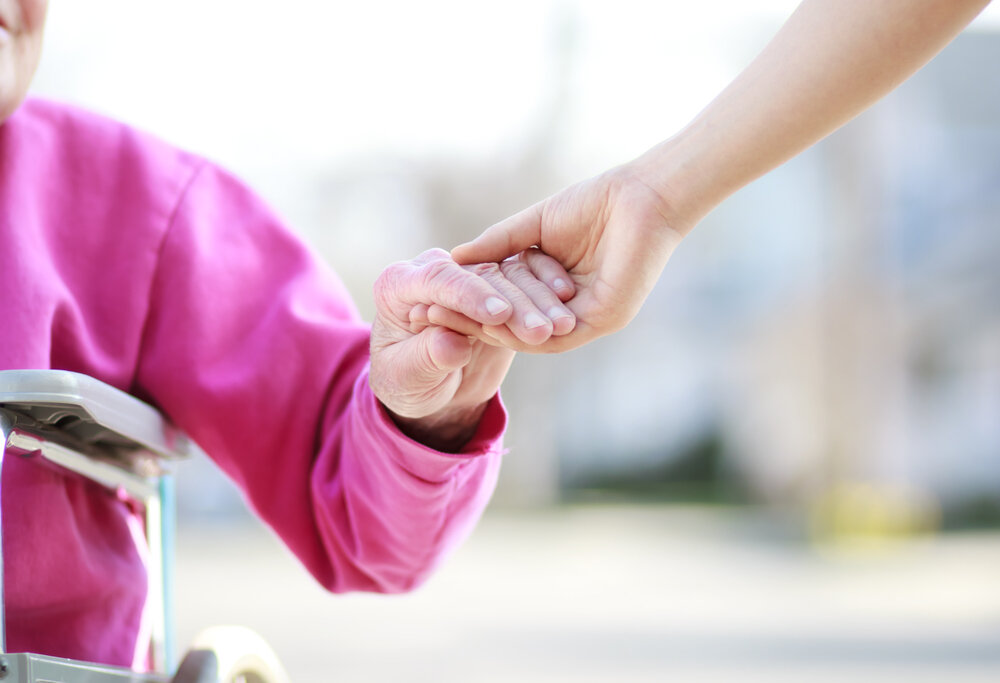
Every second counts when a potential stroke is happening, and being able to notice these signs can help save someone’s life. If any of these signs suddenly occur to you or a loved one, it’s important to recognize this as an emergency situation that requires immediate medical attention. Act FAST

Read More »
img

Help Make Your Parents’ Move as Smooth as Possible

When it’s time for your aging parents to downsize their home, they will need help and support in dealing with the transition. The emotional toll is particularly heavy if your parents are moving from the family home they have shared for decades, sometimes forty years or more. Here’s how can you help your parents make a move successfully.

Read More »
img

How to Cope with Caring for Aging Parents

Becoming a caregiver for your parents can feel strange and stressful at first: for so long, you were used to your parents taking care of you, and now it’s your turn to take care of them. Switching roles isn’t always easy, but with guidance and planning, you both can get familiar with your new roles. Today, we’ll provide some helpful tips on how to cope with aging parents yet still maintain stability and quality relationships.

Read More »

Senior fitness

Senior nutrition